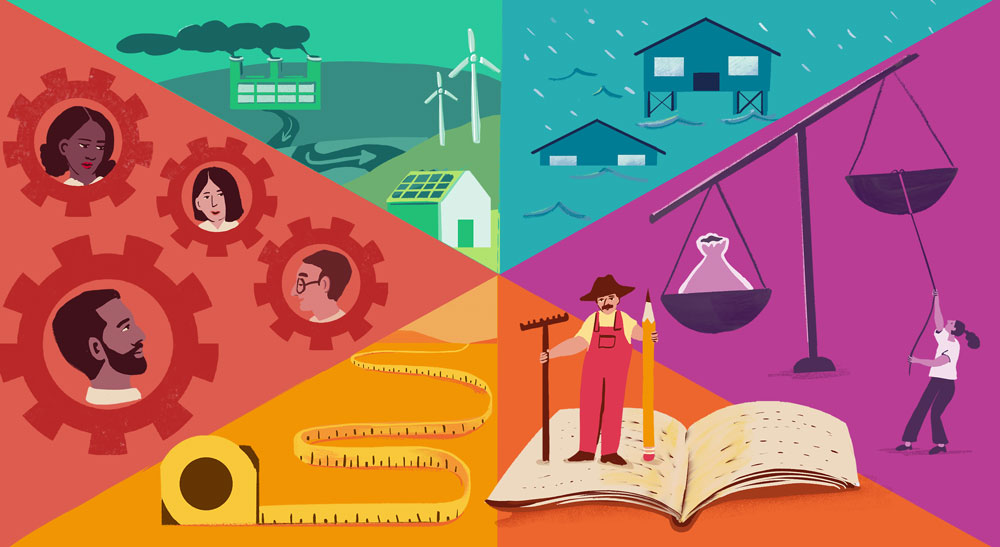
What capacities are most needed for the effective pursuit of sustainability in the face of the multiple crises currently facing the Earth system?
Taken together, these intertwined crises — climate, pandemics, extinction, inequity, and others arising from the increasingly intense interactions between nature and society — threaten the implicit promise of sustainability, which has emerged over recent decades as one of the most widely shared goals in human history: that each generation should hand on to its successors whatever it takes to allow them to achieve a standard of living at least as good as its own, while simultaneously seeking to alleviate poverty and inequity within its own time.
These threats are multiplying and intensifying, putting at risk the remarkable progress in human well-being achieved over the last two centuries. And they are interconnected, as is the nature-society system from which they emerge — so efforts to address them one by one become, at best, a Sisyphean nightmare of whack-a-mole, and often end up competing with or undermining one another.
The pursuit of sustainability therefore requires a set of strategic capacities — the abilities that let people, communities, and organizations make good decisions and work together when the future is uncertain. By capacity we mean both the intention and the ability to accomplish a task or achieve an outcome — or, more bluntly, the ability to get stuff done. Where those capacities are missing or underdeveloped, agreement on shared goals and sound science do not translate into progress toward sustainability.
The result is too often a missing middle — an inability to connect widespread agreement on the goals of sustainable development with the scientific understanding of the dynamics of nature-society systems on which those goals must be pursued.
The six capacities
The field of sustainability science has spent the past several decades understanding how nature-society systems work and where they may be heading. But understanding how a system behaves is not the same as knowing how to build the capacity to change it — and it is that second question that the C4SD project takes up. The six capacities are not our invention. We arrived at them inductively, synthesizing work across the many, often disparate research programs that make up the field of sustainability science.
- The capacity to promote equity, both within and among generations
- The capacity to measure progress toward sustainable development
- The capacity to adapt development pathways to protect human well-being in the face of shocks
- The capacity to transform unsustainable development pathways onto sustainable ones
- The capacity to govern cooperatively, building and maintaining the collaborative relationships that sustainability requires
- The capacity to link knowledge with action in the pursuit of sustainability
Part of the appeal of focusing here is that these are not new inventions: society has already built up considerable understanding of how to foster each one. Taken together, the six capacities enable collaborative action for sustainability in the face of uncertainty.
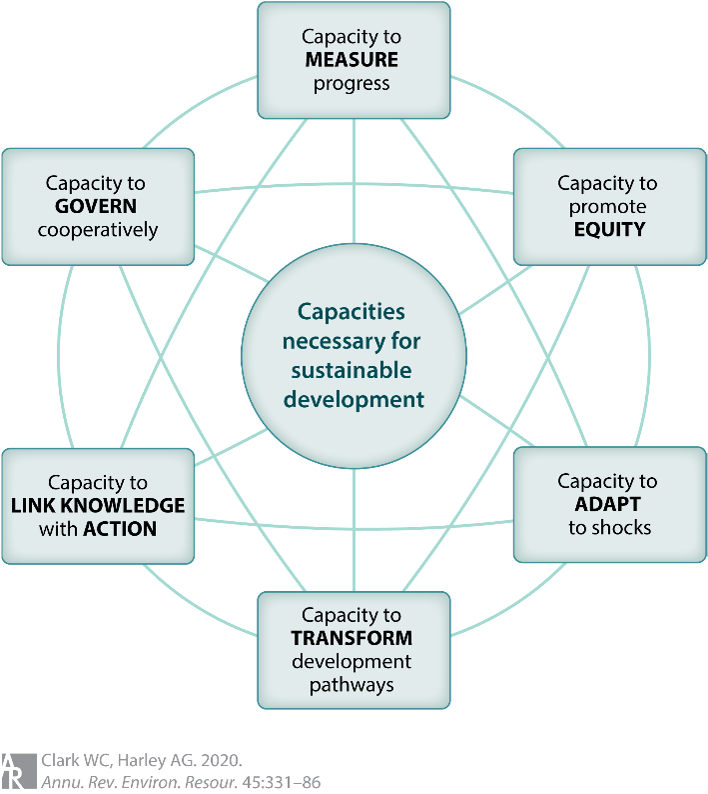
Each capacity is necessary. None is sufficient on its own. And they are interdependent: even well-developed capacities in one area — measurement, for example — routinely fall short when unsupported by capacities in others, such as governance or equity. Strategic integration across all six remains rare.
For sustainability leaders, that is the practical value of the six capacities: a strategic, whole-system view. A way to see which capacities their own work depends on, to notice which are being quietly neglected, and to learn from others building the same capacity in very different settings.
What we are learning
From research. The six capacities are not discrete abilities held by individual actors. They are social capacities — collective abilities that exist between actors, within and across organizations, and at multiple scales. A community can be given climate data and earmarked adaptation funds and still have no real capacity to adapt, for much the same reason that owning a bicycle is not the same as being able to ride one. The resource is not the capacity. Capacity has to be developed, and it lives in the relationships, shared understanding, and arrangements that let people actually use what they have.
Because these capacities cannot be handed over or built by any single actor, they have to be developed through the many different kinds of work societies do together — for example, the scientific work of building knowledge, the technical work of putting it to use, and the relational and political work of making collective action possible. A common and costly failure is an imbalance: the visible, technical work gets done while the slower relational and political work is neglected.
There is a deeper reason this work cannot be shortcut. Nature-society interactions are complex adaptive systems in which novelty, uncertainty, and surprise are the norm rather than the exception, so even the most scientifically informed plans will eventually prove incomplete, if not altogether wrong. Effective strategies must complement thinking through with acting out — treating interventions as experiments, learning from them, and course-correcting when forecasts inevitably go wrong.
This work is real, and it is easy to underestimate. Even measurement is not the narrow technical problem it can appear to be. Gross domestic product — arguably a far simpler measurement system than most of those proposed for sustainability — took the better part of a century of investment in people, institutions, and monitoring before countries could report it in comparable terms. Building a measurement system adequate to sustainable development is a larger undertaking still — and a growing community of researchers and practitioners is now doing that work, developing indicators, testing them, and building the institutions to sustain them. Each of the six capacities must be built the same way: through the sustained and deliberate work of many actors, working together toward the shared goal of sustainable development.
From practice. Advocates for sustainability have been building, testing, and improving these capacities for decades, often without calling them capacities. Society already knows more than it has organized: substantial gains are available simply from comparing lessons across places and sectors, and practitioners could draw more consistently on what scholarship has established.
This is cause for optimism. Because society has already built real understanding of how to foster each of the six capacities, they can be put to work today — by diverse actors, across scales and settings — even as we continue the research and experimentation needed to strengthen and integrate them further.
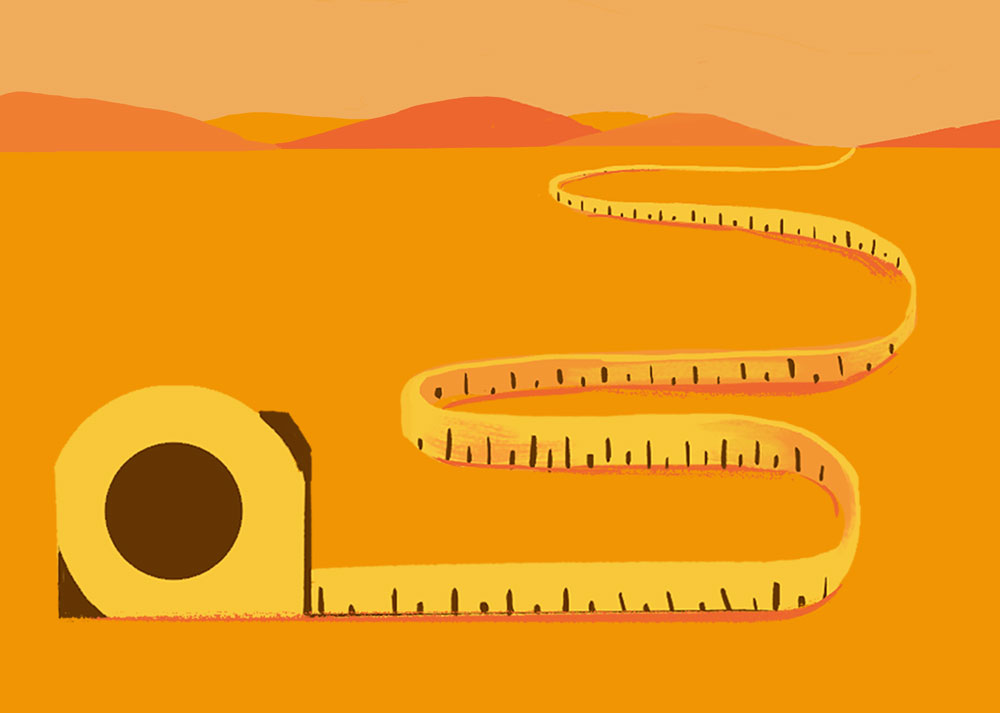
Capacity to measure progress toward sustainable development
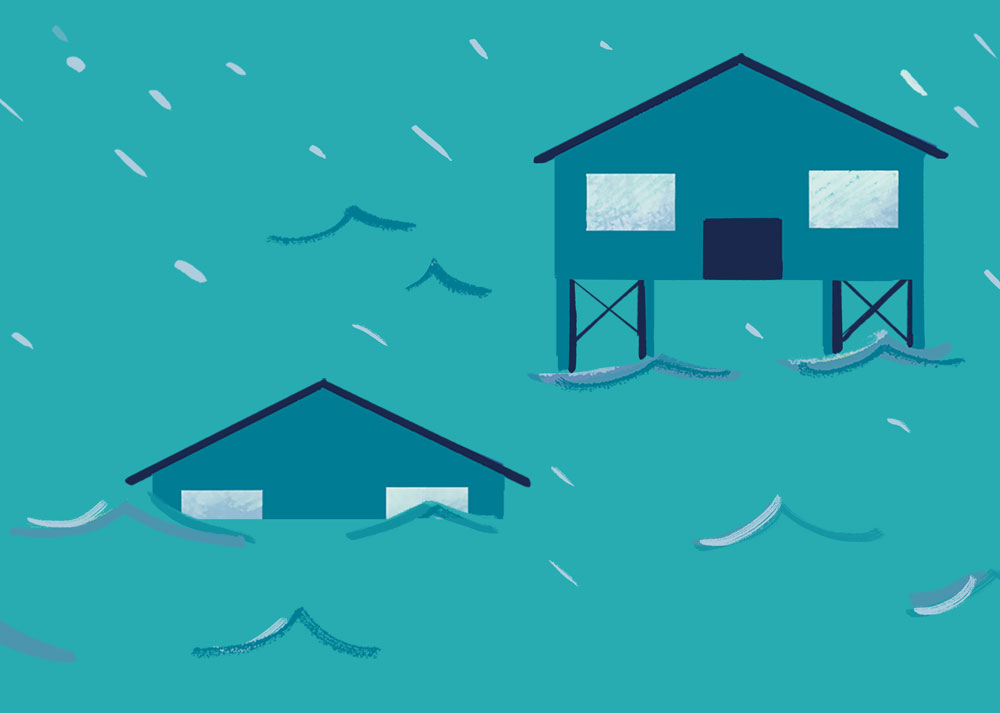
Capacity to adapt development pathways to protect human well-being in the face of shocks
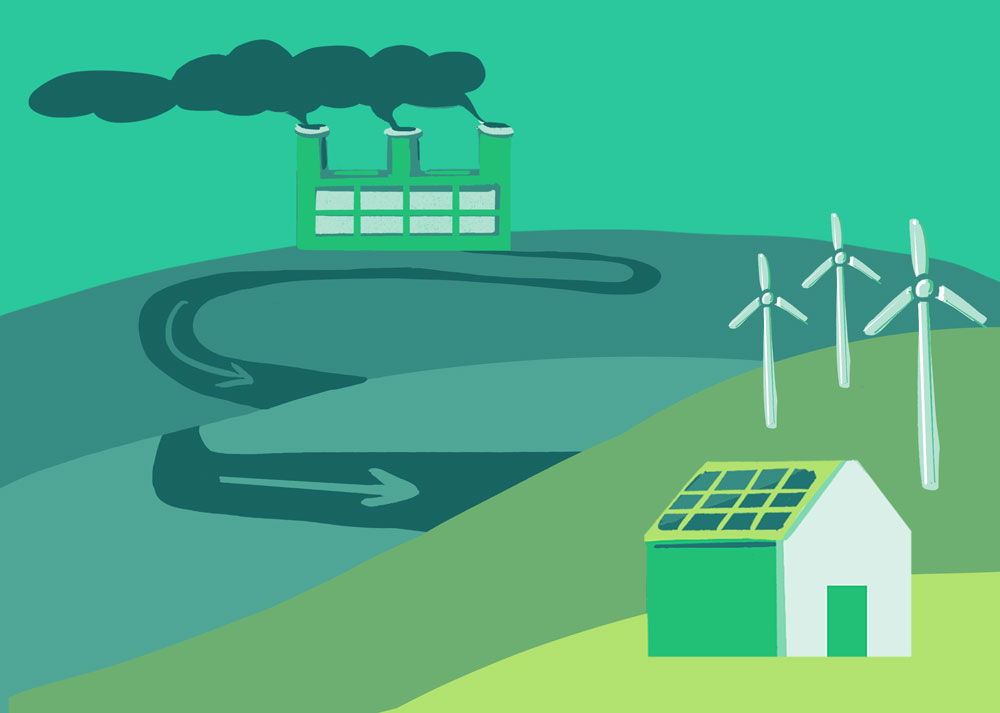
Capacity to transform unsustainable development pathways into sustainable ones
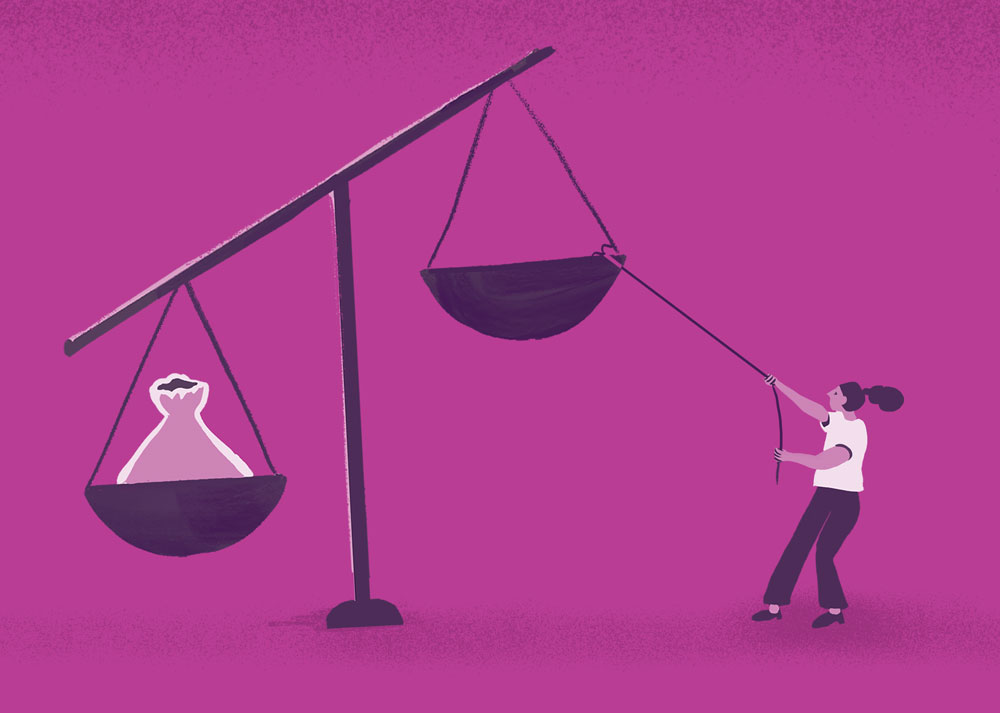
Capacity to promote equity both within and among generations
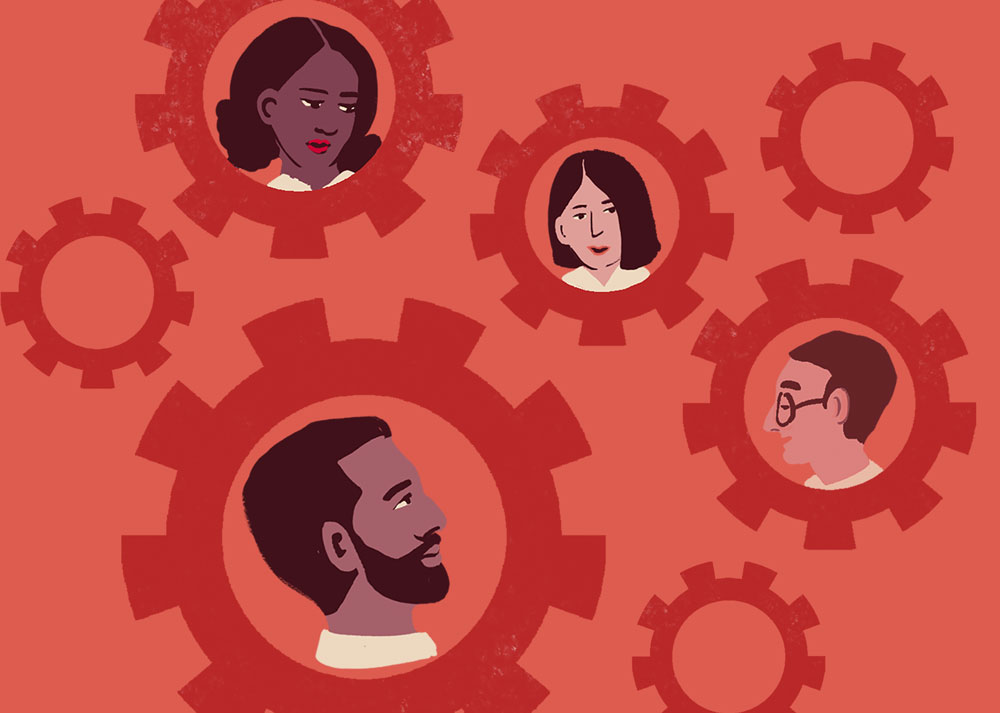
Capacity to govern cooperatively in pursuit of sustainable development
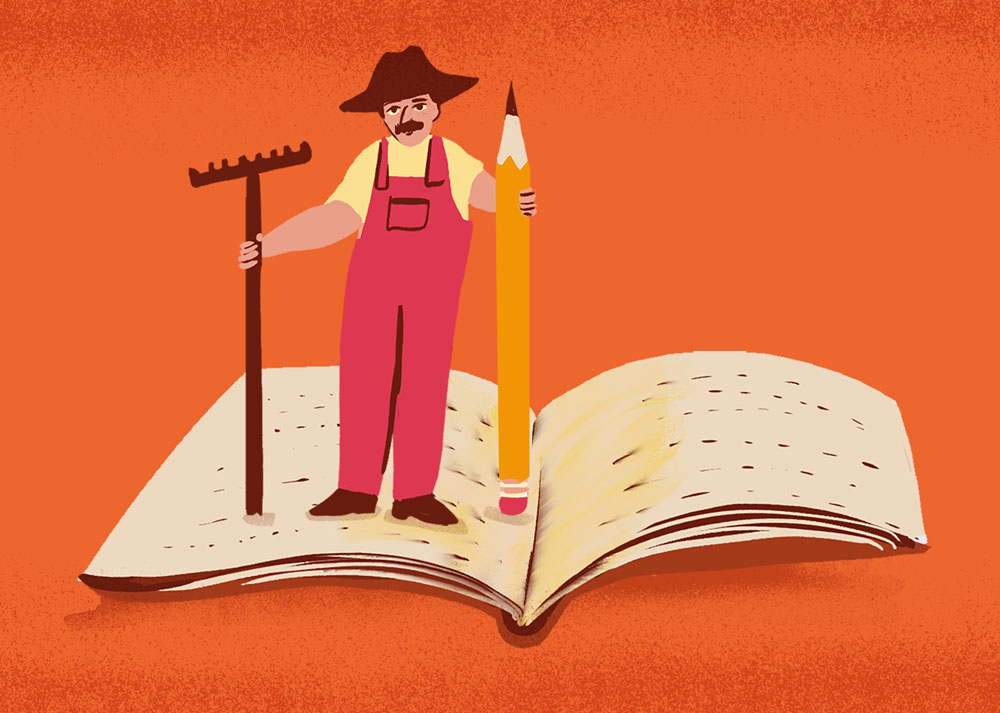
Capacity to link knowledge with action for sustainability
The seminar series
Building Capacity for Sustainable Development is a virtual seminar series pairing scholars with practitioners on each of the six capacities. Sessions are free, open to the public, and recorded. Register for upcoming seminars →
Carrie Exton (OECD) · Eli Fenichel (Yale) · Mary Ruckelshaus (Natural Capital Project)
Carolyn Kousky (Environmental Defense Fund) · Aditi Mukherji (CGIAR) · Claudia Thyme (Insurance Development Forum)
Steve Nicholls (South Africa's Climate Commission) · Chuck Rumsey (Ecotrust Canada) · Amanda Woodrum (ReImagine Appalachia)
Nasif Khan (BRAC) · Sharmila Murthy (Northeastern University) · Grant Wilson (Earth Law Center)
Vanessa Adams (Level4International) · Kate Gordon (California Forward) · Robyn McGuckin (World Resources Institute)
Connie Nshemereirwe (Africa Science Leadership Programme) · David Cash (formerly Massachusetts DEP) · Stacy Glass (ChemFORWARD)
Rachel Gilbert (Tufts University) · Leigh Winowiecki (CIFOR-ICRAF)
Everlyne Nairesiae (Landesa) · Jess Newman (McCain Foods) · Simon Winter (Rockefeller Foundation)
C4SD is led by Alicia Harley and William C. Clark at the Sustainability Science Program, Harvard Kennedy School. Questions? Email Alicia Harley.